


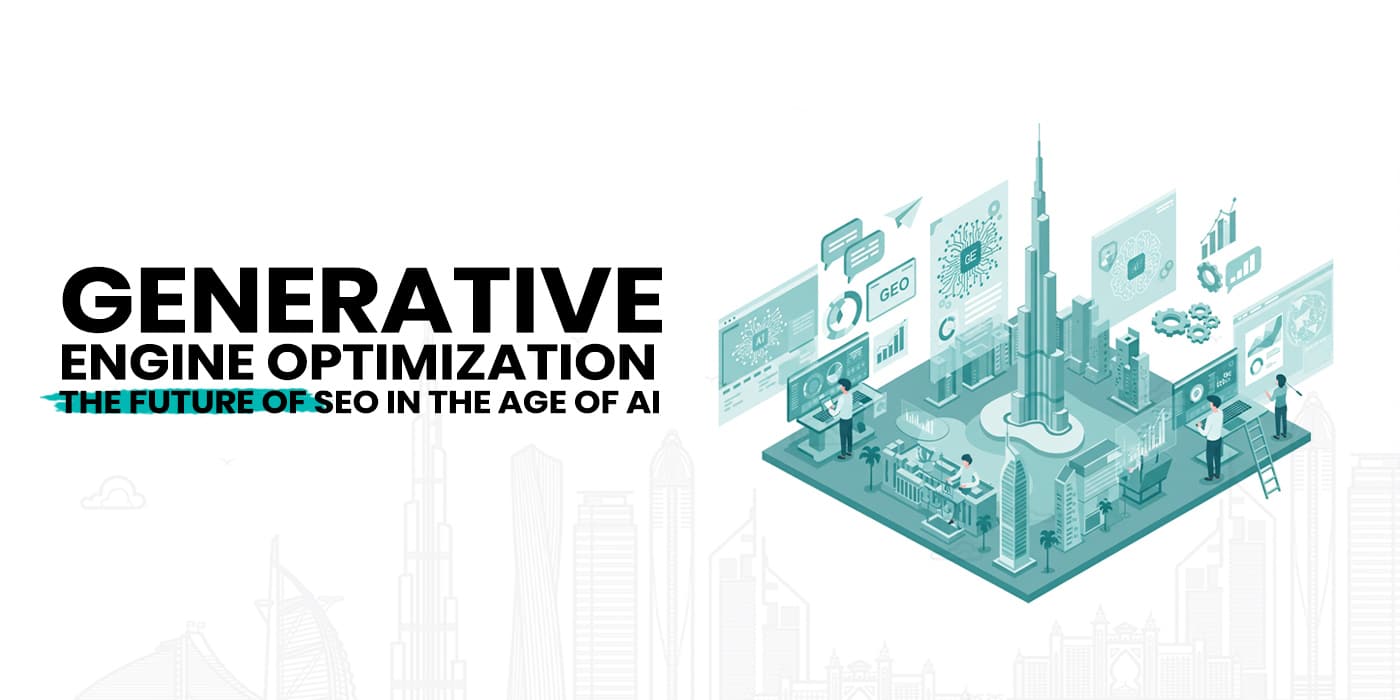
As artificial intelligence reshapes the way people search for information, a new term has begun to dominate digital marketing: Generative Engine Optimization. For years, businesses have relied on Search Engine Optimization (SEO) to increase visibility on Google. But now, as platforms like ChatGPT, Google SGE, and Bing Copilot become part of daily life, companies must rethink their strategies.
This article will explain what Generative Engine Optimization (GEO) is, why it matters, how it supports SEO, and the best ways to optimize for generative search engines. We’ll also explore the future of SEO in the age of GEO and how companies like Digital House are leading this transformation.
Stay ahead in the evolving search landscape with the proven expertise of Digital House.
What Is Generative Engine Optimization (GEO) ?
Generative Engine Optimization is the practice of creating and structuring content so that it is easily picked up and presented by AI-powered search systems, also called generative engines. These platforms don’t just list links like traditional search engines; they deliver direct, conversational answers to user questions.
Unlike traditional SEO, which focuses on ranking high on search engine results pages, GEO ensures your content is chosen as the most relevant and trustworthy response by generative models. Businesses that partner with a professional generative engine optimization agency are better positioned to stand out in this new AI-driven ecosystem.
Why Generative Engine Optimization Matters ?
Search behavior is rapidly changing. Users are no longer typing short keywords only; they are asking full questions directly to AI systems. Instead of searching “best real estate company in Dubai,” a user might ask, “Which is the best company to buy luxury villas in Dubai?”
This shift makes generative engine optimization strategies essential. GEO ensures that your brand appears as the direct answer in AI-driven results. For businesses, this means higher visibility, stronger authority, and a greater chance to convert potential leads into loyal customers.
Companies that embrace Digital marketing services early are already securing their place in generative search by aligning their content with both SEO and GEO practices.
How Does Generative Engine Optimization Help SEO ?
Many wonder if GEO replaces SEO, but the reality is that the two work hand in hand. SEO ensures a site ranks well in traditional search, while GEO adapts that same content to be AI-ready.
For example:
- SEO focuses on optimizing titles, meta descriptions, and backlinks.
- GEO ensures the content is conversational, concise, and structured in a way that AI can easily deliver.
This means businesses don’t need to abandon SEO; they simply need to enhance it with answer engine optimization and GEO techniques. By working together, the two strategies create a dual presence across traditional search engines and AI-driven platforms.
Forward-thinking businesses often consult experts in SEO Services to create a roadmap that blends both optimization approaches effectively. Build a winning strategy for lasting growth with professional SEO Services.
How to Optimize for Generative Engines
Optimizing for generative engines requires a shift in how content is produced and structured. Here are some best practices:
- Write content in a conversational style, anticipating natural language queries.
- Create FAQ-based content with clear, direct answers.
- Use structured data and schema markup so AI models can easily parse your information.
- Focus on credibility and accuracy to ensure AI systems trust your content.
- Regularly update your content to stay relevant and reliable.
By implementing these generative engine optimization strategies, businesses can secure positions as the “preferred answer” in generative search results.
In the UAE, working with The best seo company in uae provides brands with an edge by combining advanced GEO practices with strong SEO foundations.
Gain a competitive advantage and secure long-term visibility by partnering with The best seo company in uae.
The Future of SEO in the Age of GEO
The future of search is not a matter of SEO vs GEO, but rather SEO evolving into a more comprehensive model that includes GEO. As AI assistants and voice search become part of daily life, businesses that focus solely on traditional SEO risk falling behind.
The next generation of digital marketing will require a hybrid strategy:
- SEO to maintain organic visibility on search engines.
- GEO to guarantee your brand appears in generative responses from AI-driven platforms.
Forward-looking agencies like Digital House are already preparing businesses for this future. By combining Digital marketing services with both SEO and GEO expertise, they ensure brands remain competitive in an AI-first search environment.
Empower your brand to thrive in the AI era with expert Digital marketing services.

FAQs :
Is GEO just another name for SEO ?
No, GEO is not simply another name for SEO. While SEO focuses on optimizing content for search engines like Google, GEO targets generative platforms that provide direct answers. They complement each other but are not the same.
Do I need to stop doing SEO if I start doing GEO ?
Not at all. SEO is still essential for traditional search visibility. GEO builds on that foundation by ensuring your content is optimized for AI-driven platforms. Together, they create a complete digital marketing strategy.
Preparing for the Next Era of Search
Generative Engine Optimization is transforming the way people find information online. It does not replace SEO but expands it, ensuring brands remain visible across both search engines and AI platforms.
Businesses that adopt generative engine optimization strategies today will be ahead of their competition tomorrow. By partnering with trusted experts like Digital House, investing in professional SEO Services, and leveraging tailored Digital marketing services, companies can secure their position as leaders in the AI-driven search era.
The future of SEO lies in embracing GEO, and the smartest move for businesses now is to combine both strategies for a truly future-proof digital presence.